Creating a brand guidelines kit is a crucial step for any business. A solid Brand Guide ensures consistency across all brand communications. This brand consistency builds trust and recognition.
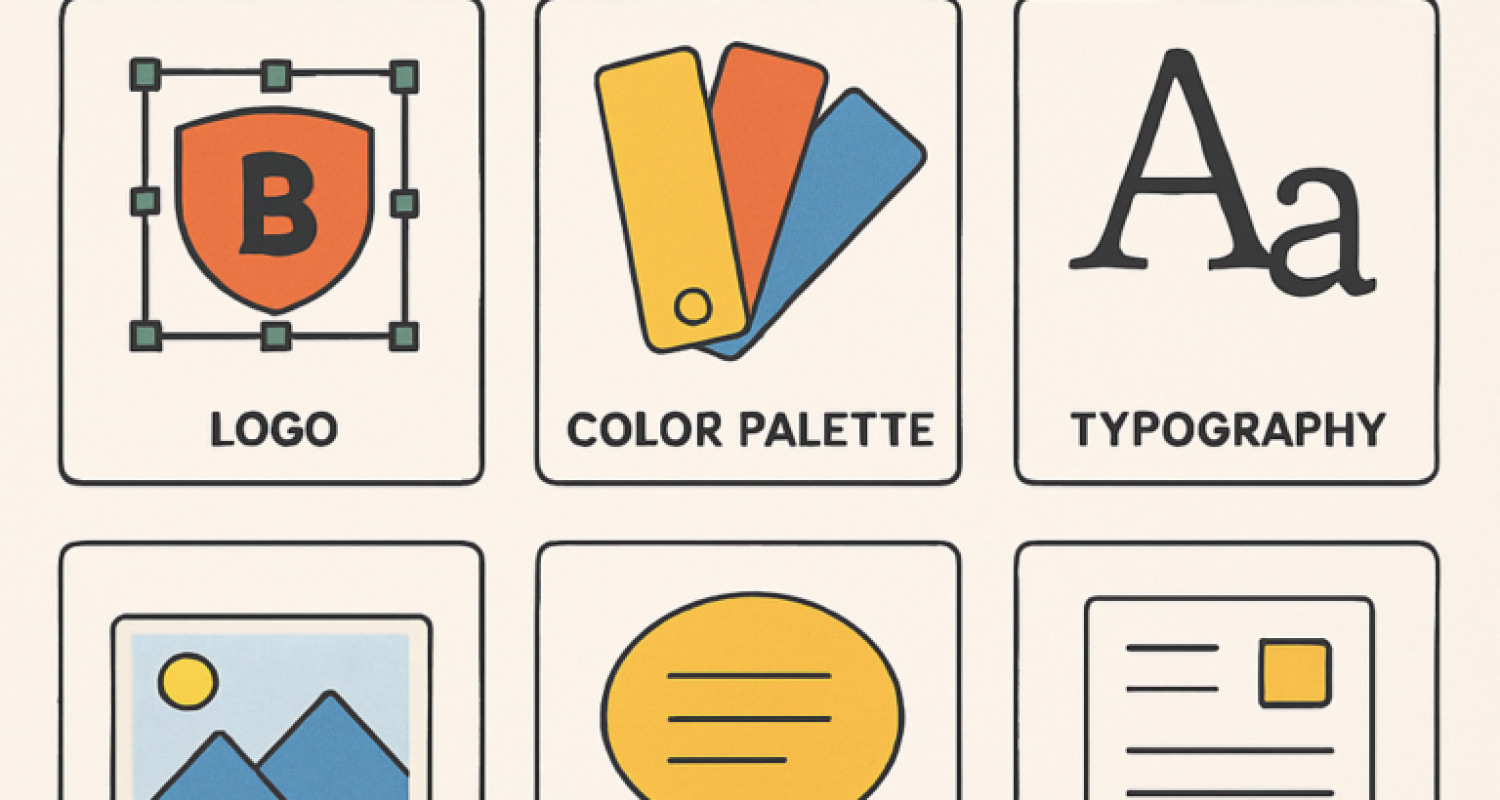
A brand guidelines sheet is a key element in the pieces of a healthy brand strategy. It outlines how your brand should be presented including logo usage, color palette, and typography. Effective use of a brand guidelines template simplifies the process of ensuring brand consistency.
While a customized strategy is typically ideal, free branding templates are available online. Free brand templates are ideal for startups and small businesses and can be a good launching point for thinking through your brand identity with minimal commitment.
A well-crafted brand guidelines kit is the toolkit of the elements that encourage brand loyalty with the public. An effective brand strategy not only helps maintain a professional image – it leads to increased customer engagement.
A good brand kit should evolve with your brand. Regular updates reflect changes in strategy or market trends. This awareness of the current environment keeps your brand relevant.
In this guide, we’ll explore the essential elements of a brand guidelines kit. You’ll learn how to create your own using templates.
What Is a Brand Guidelines Kit and Why Is It Important?
A brand guidelines kit is a document that clearly describes how a brand presents itself to the world – from visuals like colors, fonts and imagery, to its voice and tone. It includes specific rules and standards for maintaining a consistent brand presence across all media. This ensures that the brand image remains uniform and recognizable.
The importance of a brand guidelines kit cannot be overstated. It prevents brand misrepresentation and inconsistencies. By doing so, it helps maintain a strong and trustworthy brand image.
Key benefits of a brand guidelines kit include:
- Clear communication with external partners.
- Consistency in marketing materials.
- Enhanced brand recognition.

Using a brand guidelines kit fosters uniformity across all touchpoints. It provides a clear roadmap for internal teams and external partners alike. This leads to cohesive and impactful branding, essential for success in any competitive market.
Core Components of a Brand Guide Kit
A brand guidelines sheet is a vital tool for ensuring consistency. It includes a range of key components that define the brand’s visual and verbal identity. By providing precise details, it serves as a reference for brand representation.
Key components usually consist of:
- Brand story and values
- Logo usage rules
- Color palette specifications
- Typography standards
- Imagery style guidelines
Each component plays a crucial role in maintaining a unified brand image across different platforms. This comprehensive approach helps brands communicate effectively with both internal and external audiences.
Brand Story, Mission, and Values
The brand story, mission, and values are the bricks that form the foundation of any brand identity. They narrate the essence of the brand, setting it apart from competitors. A clear mission guides the brand’s goals, strategy and even approach. Values reflect the principles that the brand upholds.
A well-crafted brand story creates emotional connections. It helps consumers relate to the brand on a personal level. Here’s what this section should include:
- The brand’s origin and evolution.
- Its core mission and purpose.
- Fundamental values and beliefs.

Communicating these elements effectively can foster customer loyalty. This component aligns team members with the brand’s vision. Ultimately, it makes the brand more relatable and memorable.
Logo Usage and Logo Guidelines Template
A logo is a brand’s signature. Logos embody the brand identity. A logo guidelines template ensures correct logo use. This prevents distortion, misuse, or misrepresentation.
Consistent logo use strengthens brand recognition. Here’s what the guidelines cover:
- Correct logo size and placement.
- Acceptable color variations.
- Safe area or buffer zone requirements.

Adherence to these guidelines ensures logos always look their best. This, in turn, enhances professionalism and brand consistency.
by Adam Jícha (https://unsplash.com/@rothwellden)
Every brand should take the care to have a detailed logo guidelines sheet. It serves as a quick reference for designers and marketers and simplifies the task of delegating communications work to others. This document helps to maintain the logo’s integrity.

by Hassaan Here (https://unsplash.com/@hassaanhre)
Color Palette and Visual Identity Template
A brand’s color palette affects perception. It sets the mood for branding elements. By using a visual identity template, brands ensure consistent color use across media.
Key elements within a color palette section include:
- Primary and secondary colors.
- Hex codes and Pantone references.
- Usage guidelines for different contexts.
Selecting the right colors is strategic. It resonates with target audiences.

by Mika Baumeister (https://unsplash.com/@kommumikation)
Consistency in color application maintains brand unity. It also enhances visual appeal. This results in a strong brand presence.
Typography and Font Usage
Typography conveys more than words. It communicates brand personality. A section on typography and font usage within a Brand Guide specifies typeface choices and their applications.
Why typography matters:
- Sets the brand tone.
- Enhances readability.
- Strengthens brand recognition.
A well-defined typography guide includes:
- Primary fonts for headings.
- Complementary fonts for body text.
- Size, spacing and usage guidelines.

by Josué AS (https://unsplash.com/@yehoshuaas)
Clarity in typography ensures messages are both engaging and legible. It contributes significantly to visual consistency across all brand materials.
Imagery, Iconography, and Photography Style
Imagery, iconography, and photography styles are visual storytelling tools. They shape how audiences perceive the brand. Guidelines in these areas define the aesthetic and ensure cohesion.
Key aspects to include:
- Types of images used (e.g., professional vs. candid).
- Icon styles (e.g., bold vs. minimal).
- Preferred photography techniques.
Capturing the brand’s essence through imagery is crucial.

by The New York Public Library (https://unsplash.com/@nypl)
Consistent visual styles enhance brand familiarity. They make the brand more relatable and memorable to its audience.
Voice, Tone, and Messaging
A brand’s voice and tone are key elements in defining its persona. They essentially dictate how the brand communicates its messages. This section provides the framework to guide consistent language use.
The significance of voice and tone:
- Reflects brand personality.
- Engages and resonates with the audience.
- Differentiates from competitors.
Components to include:
- Brand’s voice attributes (e.g., friendly, authoritative).
- Tone variations for different contexts.
- Sample messaging for common scenarios.
Clarity in voice and tone strengthens brand narrative and fosters stronger connections with your audience.
Types of Brand Guide Templates
Brand guidelines templates come in various formats, catering to different business needs and scenarios. Taking the time to curate the right brand guide template up front can be a meaningful investment of time that can streamline the creation process.
Common template types include:
- One-page templates
- Minimalist designs
- Comprehensive brand books
Each template serves a unique purpose. They balance detail and brevity based on the brand’s goals.

by Alphabag (https://unsplash.com/@alphabag)
A thoughtful choice enhances brand clarity. It ensures consistency across all communication channels.
One Page Brand Guidelines Template
For small businesses, simplicity is key. A one-page brand guidelines template captures essential elements. It presents them in a concise format.
Benefits of a one-page template:
- Quick reference tool
- Easy to update
- Ideal for startups with limited resources
This format includes core elements like logo rules and color codes. It provides just enough detail for effective brand management.

by iMattSmart (https://unsplash.com/@imattsmart)
Using a one-page brand kit template may save time – it’s perfect for teams needing a straightforward brand guide.
Minimal Brand Guideline Template
Minimalist templates focus on essentials. They omit extraneous details, offering a clean approach. This is suitable for brands favoring simplicity over complexity.
Core elements in a minimalist template:
- Basic logo guidelines
- Key color scheme
- Primary typeface
These simple templates work best for brands with a clear, uncomplicated identity. Their streamlined nature ensures clarity and ease of use.

by Mason Supply (https://unsplash.com/@masonsupply)
Adopting a minimal template eliminates noise. It highlights what truly defines the brand.
Comprehensive Brand Book Template
While smaller or newer brands may be able to function with minimalist brand guidelines, larger brands require comprehensive, in-depth guidelines. A comprehensive brand book template covers all aspects of brand identity. It includes detailed instructions and examples.
Features of a comprehensive template:
- Extensive brand history
- In-depth voice and tone guidelines
- Detailed application examples
Such a template is thorough and robust. It’s designed for brands with diverse touchpoints.
by Tim Wildsmith (https://unsplash.com/@timwildsmith)
A comprehensive template is a valuable training tool. It supports consistency across large teams and complex branding efforts.
How to Create Your Own Brand Guidelines Kit
Creating a brand guidelines kit may seem daunting. However, with a structured approach, it becomes manageable. As a first step, start by gathering all brand assets and take some time to consider these brand elements to craft your guidelines kit:
- Define your brand’s mission and values
- Identify and define visual assets like logos and images
- Outline typography and color schemes
Once the essential elements are compiled, integrate these elements into a cohesive document. Ensure clarity and accessibility for all stakeholders. Remember to include application examples wherever possible.
by iMattSmart (https://unsplash.com/@imattsmart)
A well-organized kit is a powerful tool. It ensures consistent branding across all platforms. It also aids in training new team members effectively.
Step-by-Step Guide to Building a Brand Guidelines Sheet
Begin by setting clear brand objectives. Understand the image and message you want to convey. This lays the foundation for your guidelines.
Next, incorporate essential visual components. Document your logo variations and usage rules. Specify your color palette with exact codes.
Consider how typography aligns with your brand ethos. Choose fonts that complement your brand voice. Ensure they are versatile for various applications.

by 2H Media (https://unsplash.com/@2hmedia)
Include examples of correct application. Show both dos and don’ts for clarity. This visual guide helps prevent common branding errors.
Finally, review and adjust your guidelines over time. A brand is dynamic and evolves. Regular updates ensure your guidelines remain relevant and effective.
Best Practices for Maintaining and Updating Your Brand Guidelines
Regular updates keep your brand guidelines relevant. This ensures they reflect any changes in strategy or market trends. Review your guidelines at least annually to spot areas that need refreshing.
Here are some practices to maintain up-to-date brand guidelines:
- Engage team feedback to identify gaps
- Monitor industry trends for relevant shifts
- Incorporate new brand elements as they evolve
These practices help maintain a strong brand identity. Keeping guidelines current helps safeguard brand integrity and enhances communication consistency.
by Walls.io (https://unsplash.com/@walls_io)
Real-World Examples: Brand Guidelines in Action
Real-world brand guidelines showcase the power of consistency. Brands like Coca-Cola and Apple excel in this area. Their guidelines ensure a unified image across all platforms.
Take a moment to consider how Nike uses its iconic swoosh. The logo remains consistent in size and placement, maintaining brand integrity. Another example is Starbucks, where the brand’s visual identity includes specific colors and fonts.
These brands are successful because:
- They use consistent logo applications
- They adhere to defined color palettes
- They maintain clear brand messaging
These examples illustrate the impact of strong guidelines on brand recognition. Seeing these guidelines in action helps understand their practical importance. They are not just documents—they’re strategic tools for brand success.

by Giorgio Trovato (https://unsplash.com/@giorgiotrovato)

by Kouji Tsuru (https://unsplash.com/@pafuxu)
Conclusion: Building a Strong, Consistent Brand Identity
Creating a robust brand identity demands clear, well-crafted guidelines. Consistency is key to establishing a recognizable brand. These guidelines act as a blueprint for all brand-related activities.
Well-defined brand guidelines help maintain alignment across various channels. This alignment builds trust and loyalty among customers. Remember to frequently update your guidelines to reflect evolving market trends and business goals. Building a strong brand identity is a continuous process, not a one-time task.