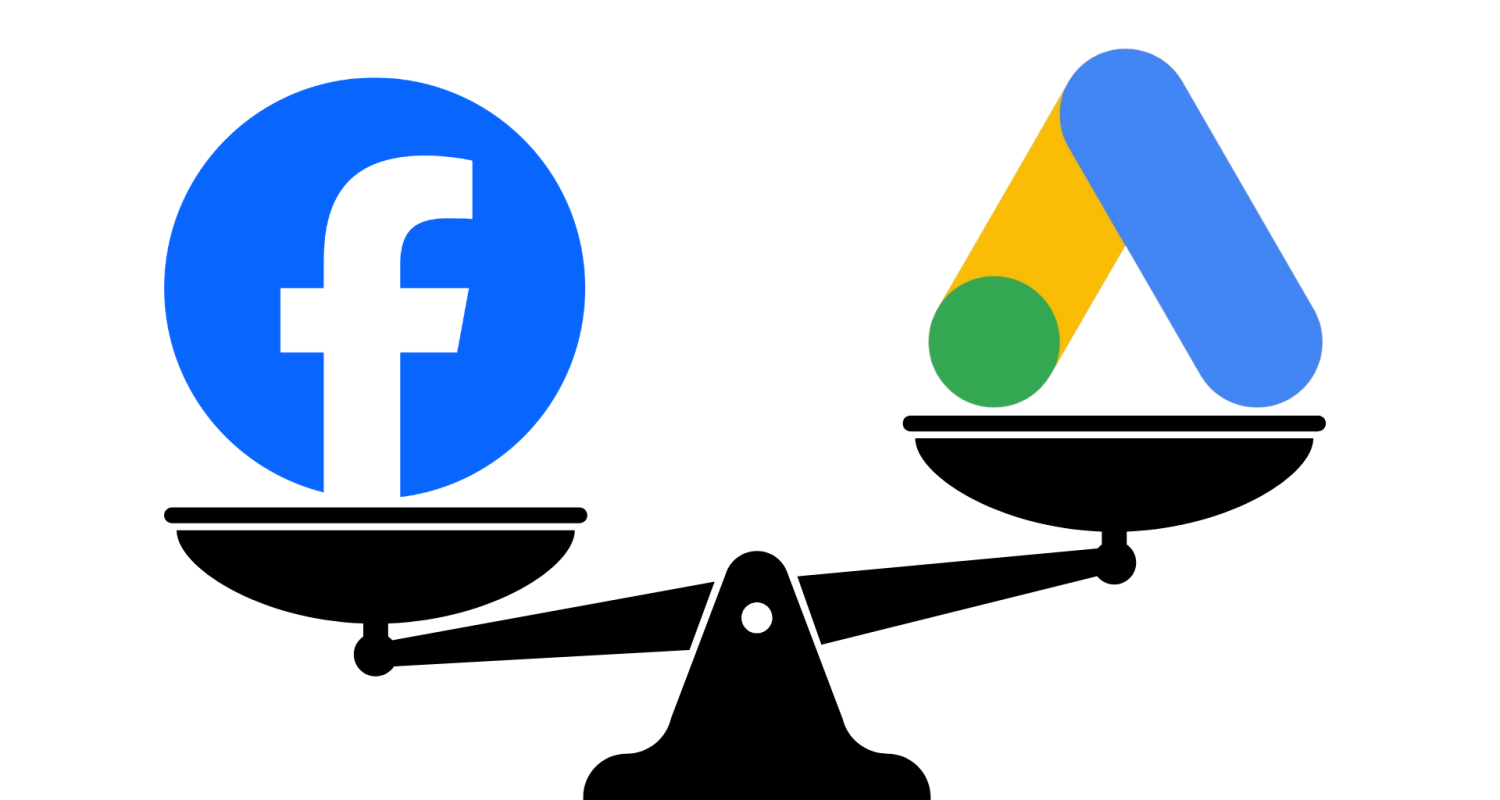
Paid advertising in 2026 is no longer a “pick one and hope” situation. Platforms like Google and Meta (Facebook & Instagram) have evolved, becoming more powerful – and more nuanced – in how they serve up ads and attract audiences.
If you’re running a consumer-facing business in Washington, DC (think: service-based, retail, e-commerce, or appointment-driven), this guide will break down how the two most dominant ad platforms perform across cost, strategy, and real-world results.
Google Ads vs Meta Ads: The Core Difference
In short:
- Google Ads serve people with search intent – they’re actively looking for your service or product.
- Meta Ads reach people through targeted discovery – you interrupt their scroll with a compelling message or offer.
While Google is great for converting ready-to-buy searchers, Meta is ideal for introducing your brand and retargeting those who’ve shown interest. It might be helpful to take a moment and refresh yourself on the elements of a healthy sales funnel with our 8-Step Guide to Build an Effective Lead Generation Sales Funnel.
Furthermore, cash talks and it’s not exactly a secret that Google, with their high intent audience, certainly captures a premium for their CPMs.
Google Ads in 2026: Still King for High-Intent Traffic
Google Ads are ideal when someone searches things like “best facial near me” or “emergency plumbing DC.” These ads place your business at the top of the page when customers are actively looking to buy.
What You Get with Google Ads:
- Search, Shopping, YouTube, and Display ad types
- Options like Local Services Ads where you pay per qualified lead
- Keyword targeting, geo-targeting, and ad extensions for more visibility
Pro Tip: Google is a high-converting platform – especially for services and products with direct, urgent demand. According to Statista, Google holds over 90% of the U.S. search engine market share as of 2024.
Meta Ads in 2026: Still Strong for Brand Discovery
Meta (Facebook & Instagram) Ads have kept their place as discovery-first platforms. Whether someone’s watching Reels, flipping through Stories, or scrolling their feed, Meta gives you the tools to reach them – often before they even know they need you.
What You Get with Meta Ads:
- Access to Facebook, Instagram, Messenger, and WhatsApp placements
- Visual-first ad formats that support storytelling via image and video ads
- Lookalike audiences, retargeting, and AI-driven delivery optimization
Meta excels at building awareness and nurturing leads with engaging, visual content. It can be especially strong in the middle of your sales funnel.
Cost Comparison: Which Platform Is More Cost-Effective in 2026?
As we mentioned early on, there can be a meaningful difference between Google and Meta rates (depending on your business and keyword strategy). Below is a side-by-side view of industry averages as of 2024–2025:
| Metric | Google Ads | Meta Ads (Facebook/Instagram) |
| Avg CPC (Cost-Per-Click) | $2.69 (Search Ads), $0.63 (Display Ads) [Store Growers] | $0.77 avg CPC across industries [Wordstream] |
| Avg CPM (Cost Per 1,000 Impr.) | $38.40 (Search), $3.12 (Display) [Nestscale] | $8.70 avg CPM [Madgicx] |
| Avg Conversion Rate | 2.81% (Search eComm), 0.59% (Display) [Store Growers] | 8.78% for lead gen ads [Wordstream] |
Summary:
- Google Ads cost more per click but are better for bottom-of-funnel conversions.
- Meta Ads are cost-effective for top-of-funnel reach and re-engaging cold audiences.
Want to see how this fits into a campaign? Use our 8-Step Funnel Guide to place each platform at the right stage of your lead journey – from awareness to action.
Which Platform Works Best for DC-Based Businesses?
Use Google Ads if you want to:
- Appear in high-intent searches like “emergency HVAC DC” or “best lash extensions Capitol Hill”
- Promote services with urgency or defined keywords
- Reach customers ready to take action now
Use Meta Ads if you want to:
- Visually introduce your brand to new audiences
- Retarget site visitors or email subscribers
- Promote lifestyle-driven products or memberships
What About Using Both?
If you’re serious about scaling, use both – just place them where they’re strongest.
- Google Ads for decision-stage traffic
- Meta Ads for awareness, interest, and retargeting
- Integrate them into a single conversion funnel, where Meta warms them up and Google closes the deal
Common Ad Mistakes to Avoid in 2026
- Running the same creative across platforms without optimization
- Ignoring retargeting segments (big missed opportunity)
- Choosing one platform blindly based on CPC
- Not aligning your ads to funnel stages (awareness vs. conversion)
Which Platform Wins in 2026?
Both platforms win – if you know how to use them. Your decision should come down to:
- Where your audience spends time
- What stage of the funnel you’re targeting
- Whether your goals are visibility, leads, or conversions
In many cases, a blended strategy will deliver the best ROI. Use Meta Ads to build relationships and brand equity. Use Google Ads to capture high-intent traffic and close the deal.
Need Help With Paid Ads?
At District Consulting, we build customized media buying strategies for platforms like Google Ads and Meta Ads for growing brands that want more than clicks – they want conversions.
We work with businesses across DC to structure campaigns, design creatives, optimize funnels, and manage spend like it’s our own.
👉 Book a paid ad audit and let’s make your next campaign your best yet.
FAQs
Which platform is better for small budgets?
Meta tends to offer lower CPMs, making it ideal for awareness and retargeting with limited spend.
Can I use both Meta and Google with one funnel?
Absolutely. Many of our clients start with Meta for reach, then retarget high-intent visitors on Google – and vice versa.
What if I don’t have a landing page yet?
We can help build high-converting landing pages that support both ad platforms. This is often the missing link between clicks and conversions.
Do you manage campaigns for both platforms?
Yes. From keyword research and audience targeting to budget pacing and A/B testing, we handle it all.